
Centering Liver Health Within Women's Health.
March brings bloom and longer days as we wax towards spring.
In Chinese medical theory, March originates "wind" season. This is described in the classical texts as a time of "erratic pathology". Centuries ago this offered an explanation for seasonal allergies, hormone imbalances, and dynamic mood shifts. Traditionally, these scholars taught us to support the liver-- the organ of biotransformation. Modern physiology describes the liver's role in "first pass metabolism"; it is ground zero for processing hormones, toxins, lipids. Thus, we fortify ourselves for the season by providing the liver with cofactors for its efforts. This means antioxidant-rich nutrients, anti-inflammatory fats, and bitters to aide smooth movement of bile.
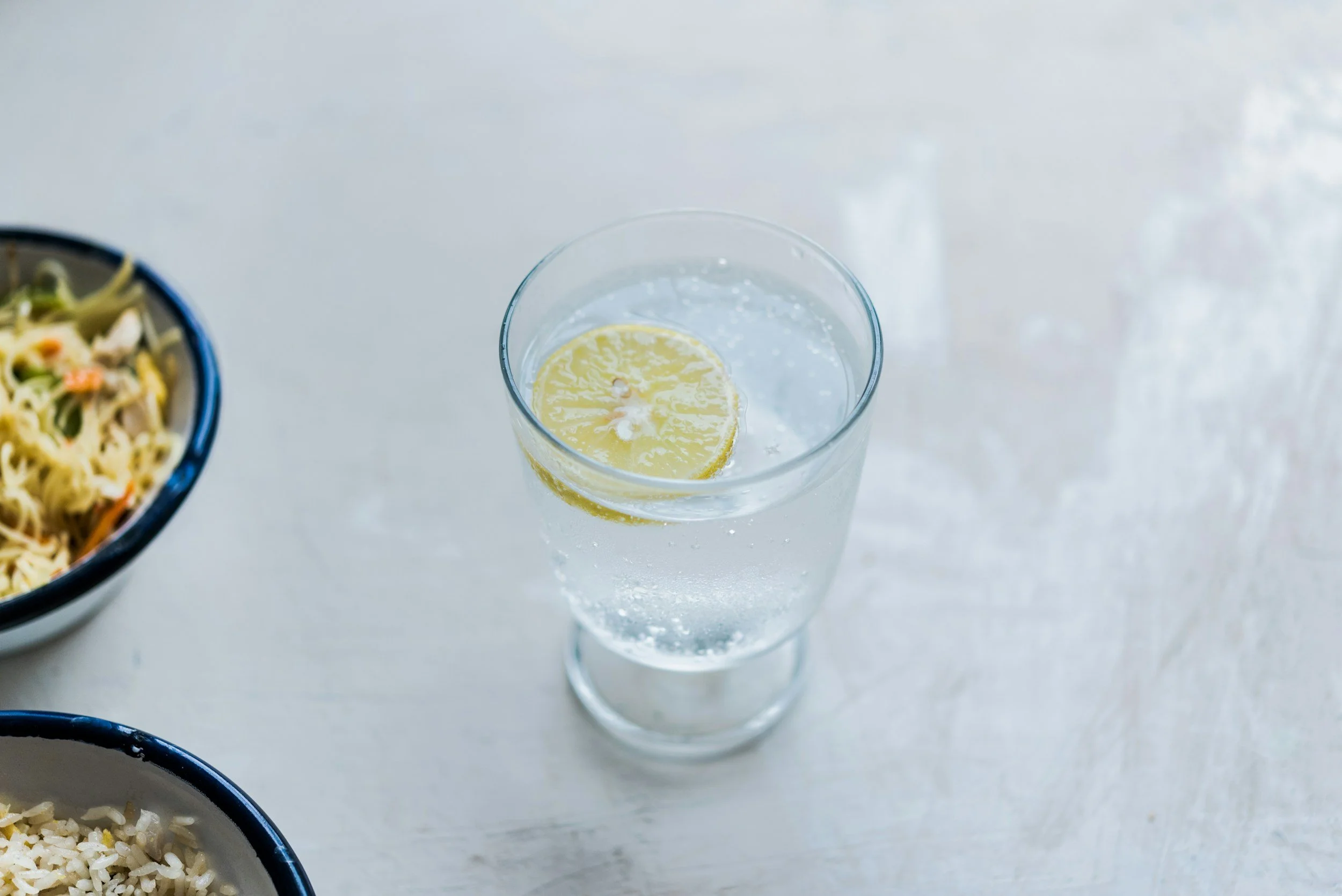
Nutritionally, lean into these tools:
Fresh lemon water, ample fluids and nourishing broths
Bitter greens- dandelion, arugula, fennel, kale
Olive oil, chai + flax seeds, wild fatty fish
Beets, asparagus + fermented foods
Consider these strategies:
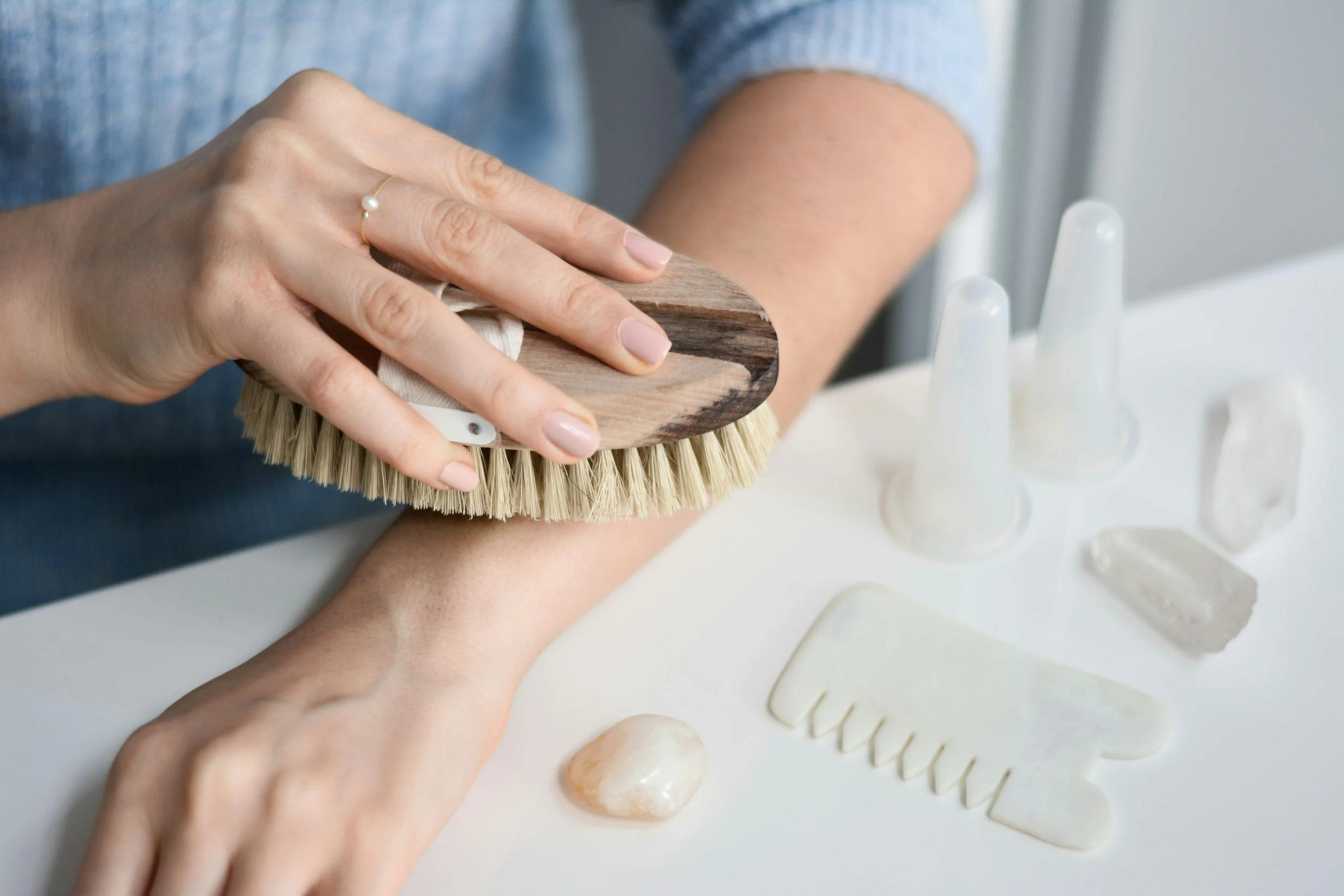
Dry brushing, gua sha
Rebounding, vibration plate or swimming for the lymph
Sauna for heat shock proteins, terminating showers with a cold burst for hormesis
HEPA filter for your bedroom; limits allergen exposure in your most captive environment
Breathwork to signal safety to the autonomic nervous system:
Box breathing, alternate nostril breathing or 3/7/8 breath cycles
Acupuncture
Periods of hormonal transition are a time when many women notice an uptick in allergic symptoms.
As estrogen levels rise and fall unpredictably, they directly influence mast cells. During perimenopause, cycles can become anovulatory as egg quality declines. This creates a relative deficiency of progesterone compared to estrogen which can promote histamine release.
Histamine is also a neurotransmitter and women may notice cyclical migraines, worsening PMS or sleep disturbances driven by histamine surges. The good news? Targeted therapies can help. Supporting estrogen metabolism and stable hormone signaling can reduce the histamine burden. Sleep optimization and stress reduction are equally important, as cortisol dysregulation can further destabilize mast cells.
With nuanced, root cause care, many women find renewed ease in this "wind" season and beyond. It's our honor to apply our personalized Gingko lens to your unique patterns.
Wishing you delight in the lengthening of days,
Warmly Rachel