
The Algorithm Meets the Apothecary: How AI Is Decoding Herbal Medicine
For centuries, herbal medicine has existed at the intersection of tradition and folk medicine—rich with sustained, successful anecdotal evidence. However, in modern times, it is often dismissed for its lack of measurable precision. That is now changing.
Artificial intelligence is systematically deconstructing the pharmacokinetics of plant-based compounds, revealing how they are absorbed, metabolized, distributed, and excreted in the human body.
Unlike single-molecule pharmaceuticals, herbal remedies contain hundreds of bioactive compounds that interact synergistically. Historically, this complexity made rigorous analysis nearly impossible.
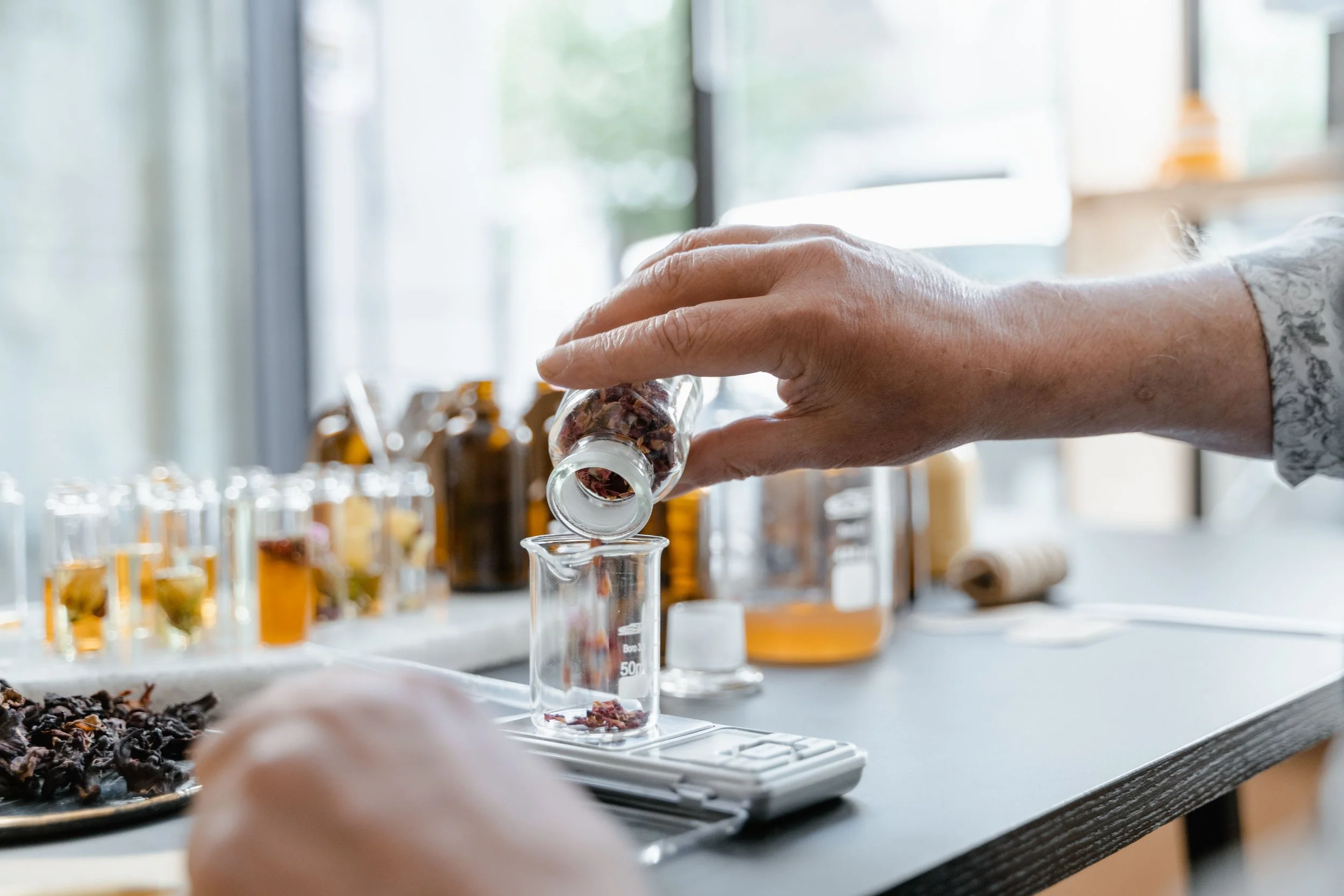
As a trained biologist and plant physiologist, which predates my study of herbal medicine originating 25 years ago, I have specialized in clinically integrating traditional healing paradigms into the semantics of modern physiology. The goal of integrating ancient wisdom and contemporary science, to create personalized, evidence-informed care has been foundational to Gingko's work.
Herbal traditions are layered with effective, yet esoteric, guidance. Translating these impacts into a shared language with conventional providers, and earning patient confidence through explanations of herbal mechanisms are core Gingko values. AI can add further rigor and granularity to this scientific language.
At Gingko, we believe the future of women’s health lies in combining time-tested botanical medicine with modern scientific insight. Artificial intelligence is accelerating that future.
For women, this has meaningful implications.
Conditions such as hormonal imbalance, PMS, perimenopause, and chronic inflammation are complex and multi-factorial. Herbal formulas have always addressed this complexity, but until recently, their mechanisms were not fully understood through a Western lens. AI is changing that by identifying how multiple plant compounds work together across endocrine, immune, and nervous systems.
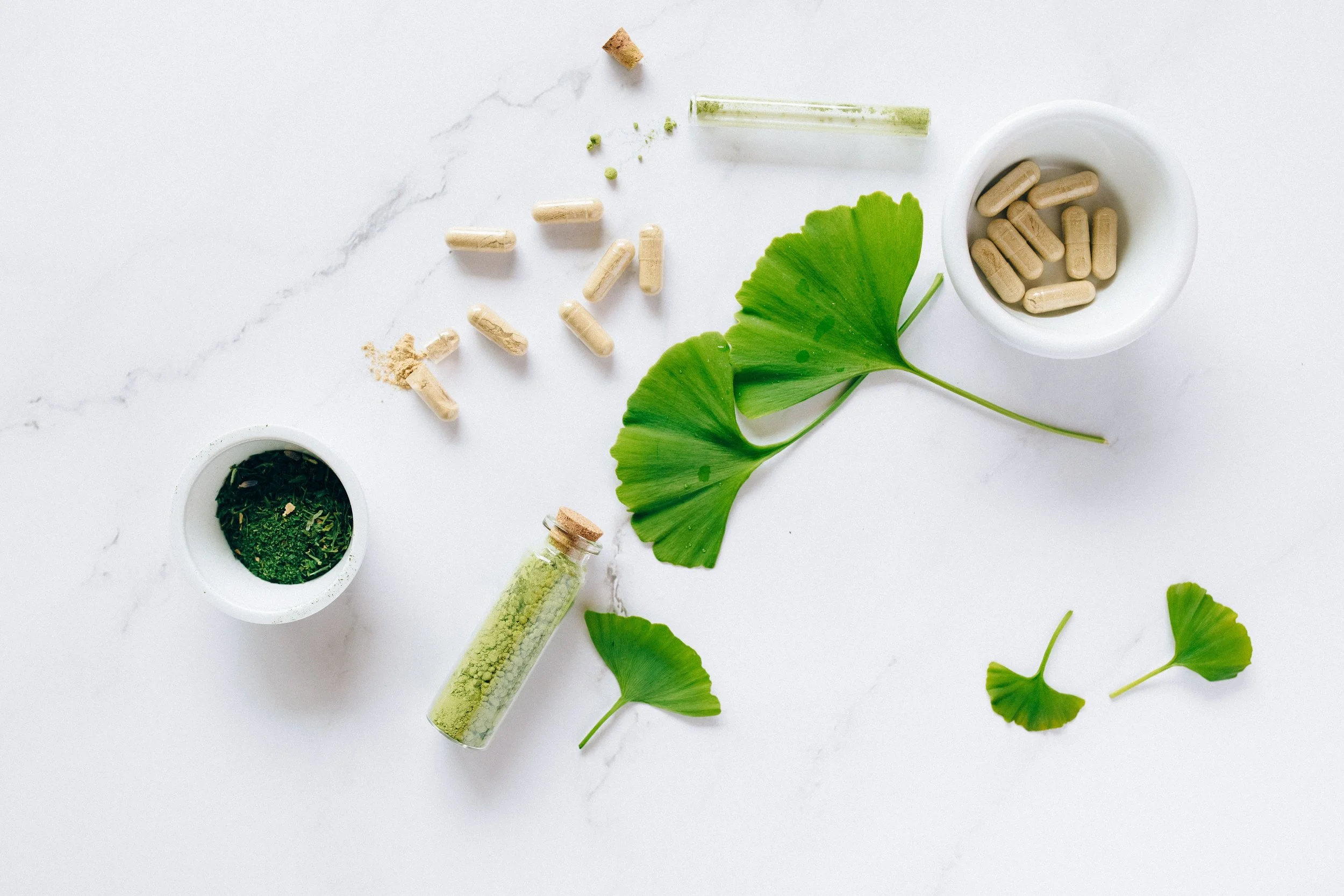
This allows us to:
Better personalize herbal protocols based on metabolism, microbiome, and hormonal patterns
Optimize dosing and timing for improved effectiveness
Reduce trial-and-error in selecting the right botanicals
Understand the interactions with pharmaceuticals with greater granularity for safer integrative care
For example, herbs like Vitex (chasteberry) are now being studied through AI-driven models that clarify their effects on hormone signaling pathways, helping refine their use for cycle regulation, miscarriage prevention and menopausal symptoms.
Rather than replacing conventional care, this approach enhances it—offering women more precise, individualized, and holistic options.
At Gingko, we are committed to integrating these advances thoughtfully, ensuring that every recommendation is both rooted in tradition and informed by the latest science.
Warmly, Rachel